FnOS Deployment Guide
FnOS is a NAS system crafted by a team of veteran enthusiasts, integrating local AI models to provide efficient and secure storage solutions for homes and businesses. This guide will detail the deployment process of AMMDS in the FnOS environment.
Deployment Methods Overview
AMMDS offers two deployment methods on FnOS:
- FPK Offline App Installation: Manual installation through the FnOS App Center, suitable for most users
- Docker Installation: Deployment via Docker containers, suitable for users familiar with container technology
FPK Offline App Installation
Download

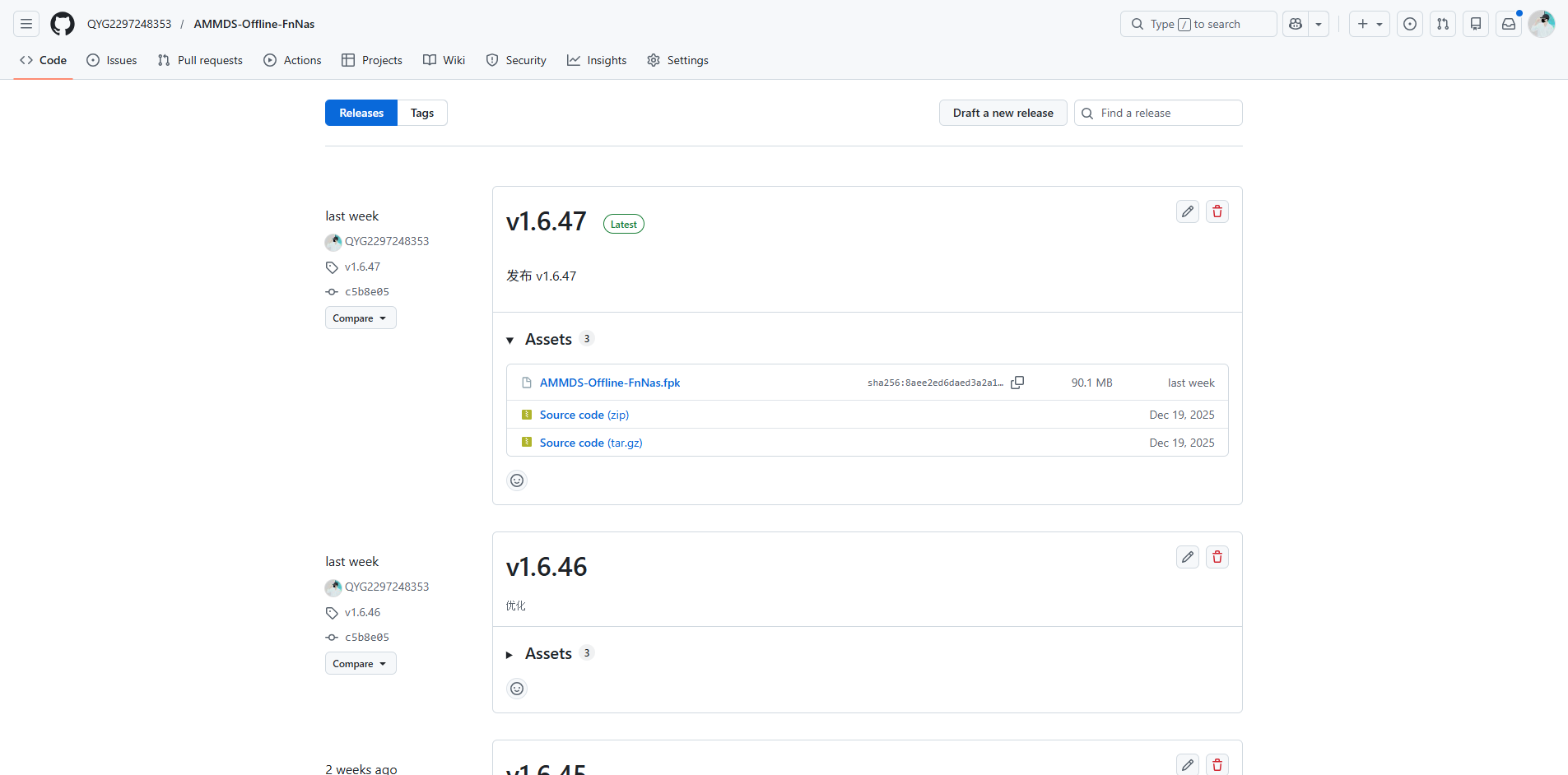
Official Release Address
AMMDS Offline FnNas GitHub Releases
Available Installation Packages
| File Name | Type | Description |
|---|---|---|
AMMDS-Offline-FnNas.fpk | FPK | AMMDS offline installation package, suitable for FnOS system |
Download Methods

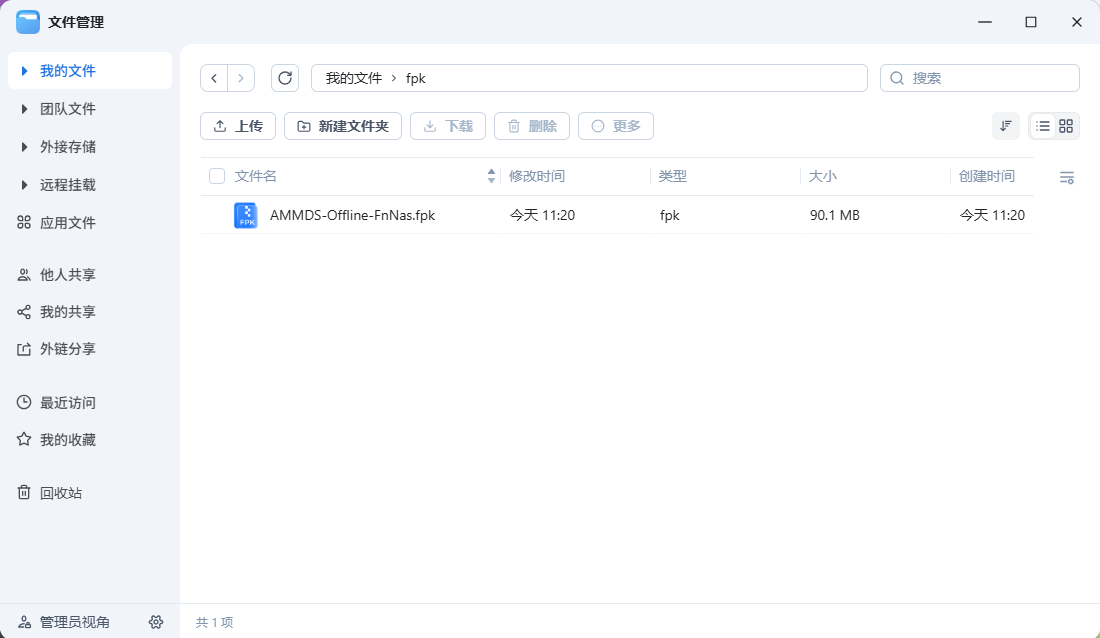
You can choose to download the installation package to your local computer or directly on your FnOS device.
Installation Steps

-
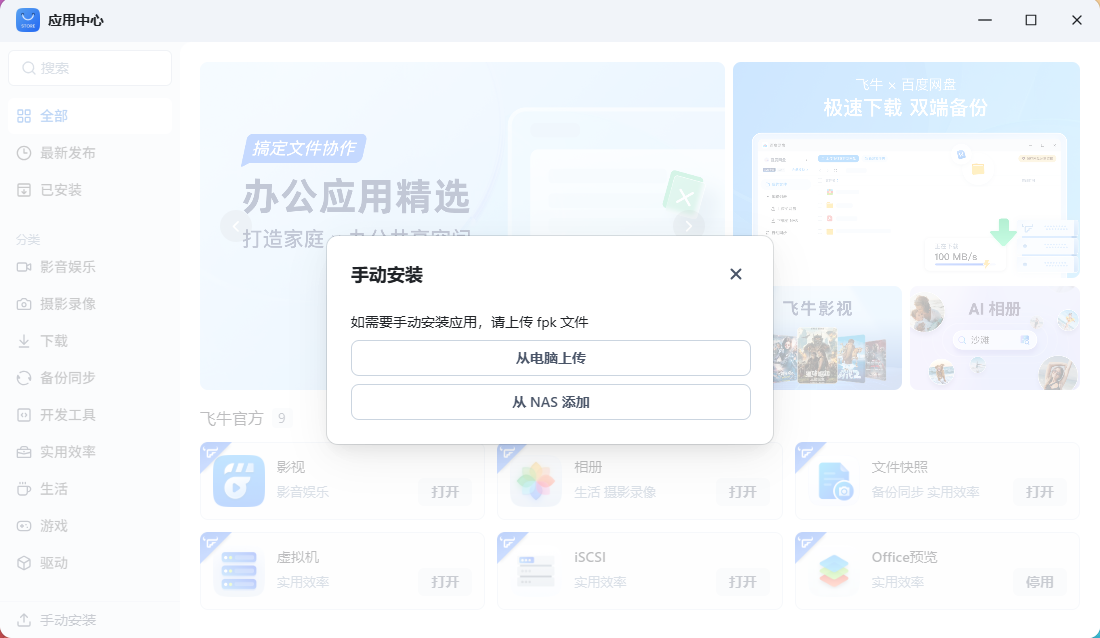
Start Installation Process
Open the App Center, click Manual Installation in the bottom left corner, select the downloaded FPK file, and click Install.

-
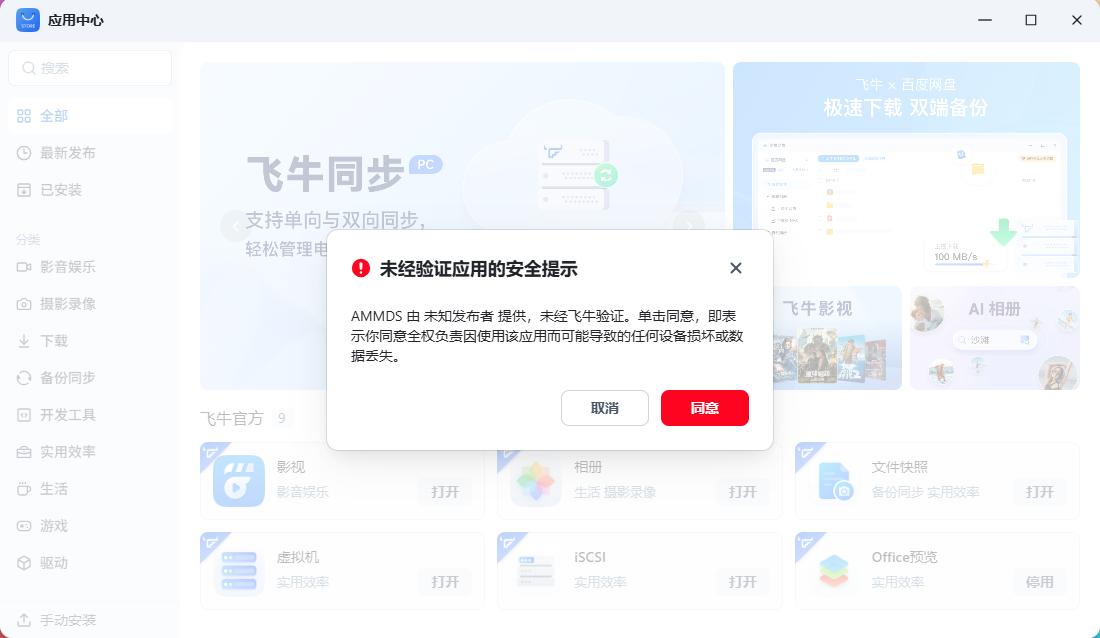
Confirm Installation
On the installation prompt interface, click Agree to proceed with the installation process.

-
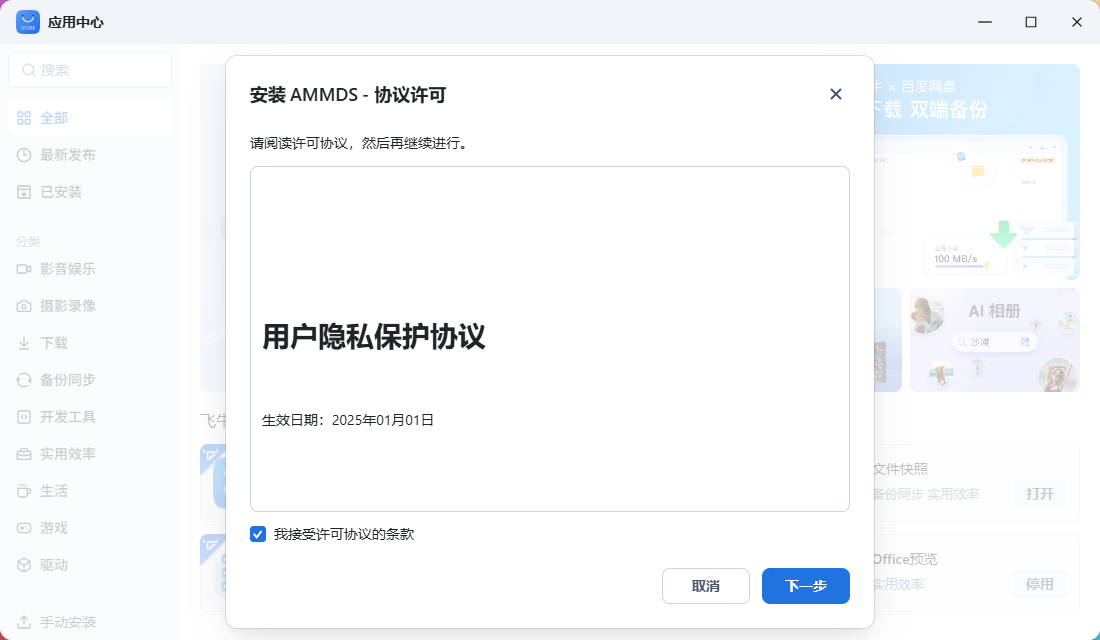
Read License Description
Carefully read the installation license description to understand the relevant terms.

-
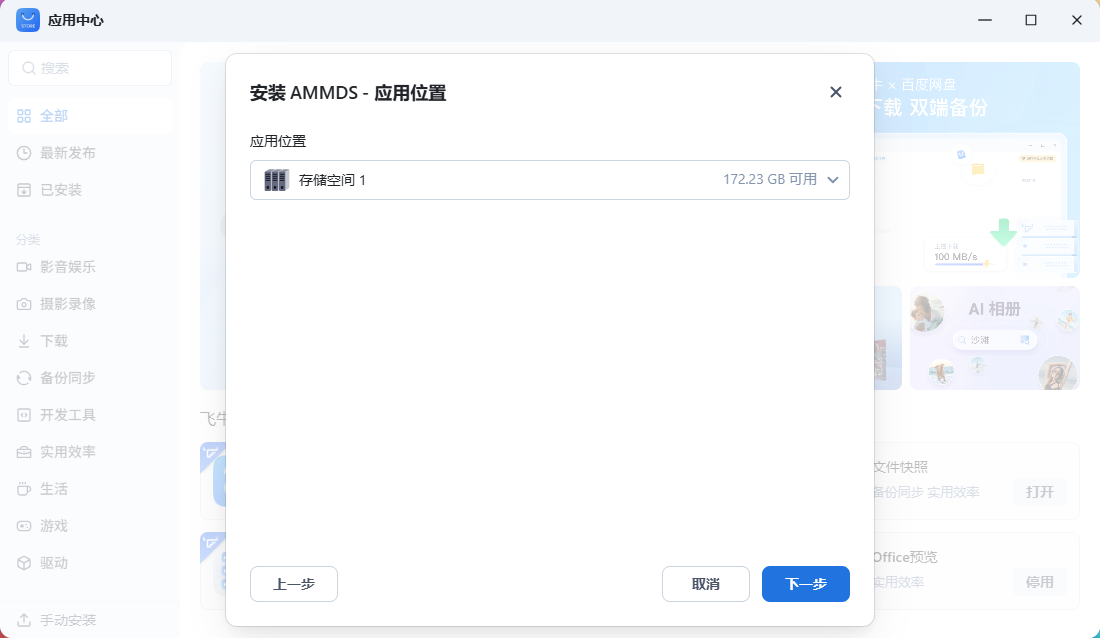
Select Installation Location
Select the disk location for app installation, it is recommended to choose a disk with sufficient space.

-
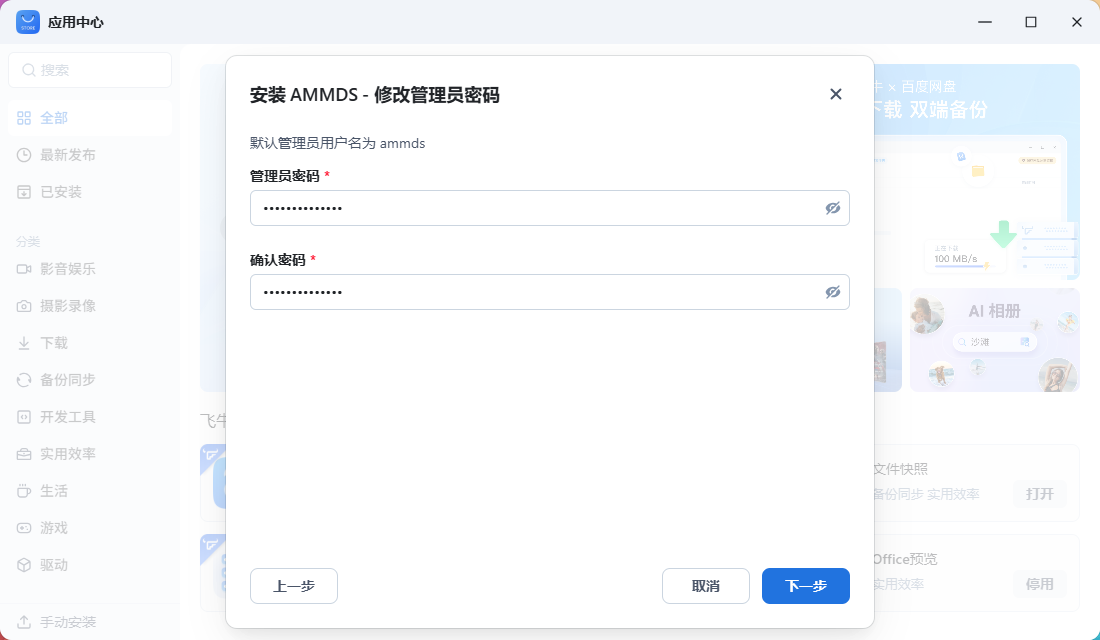
Set Admin Password
Set the login password for the AMMDS management interface, it is recommended to use a strong password.

-
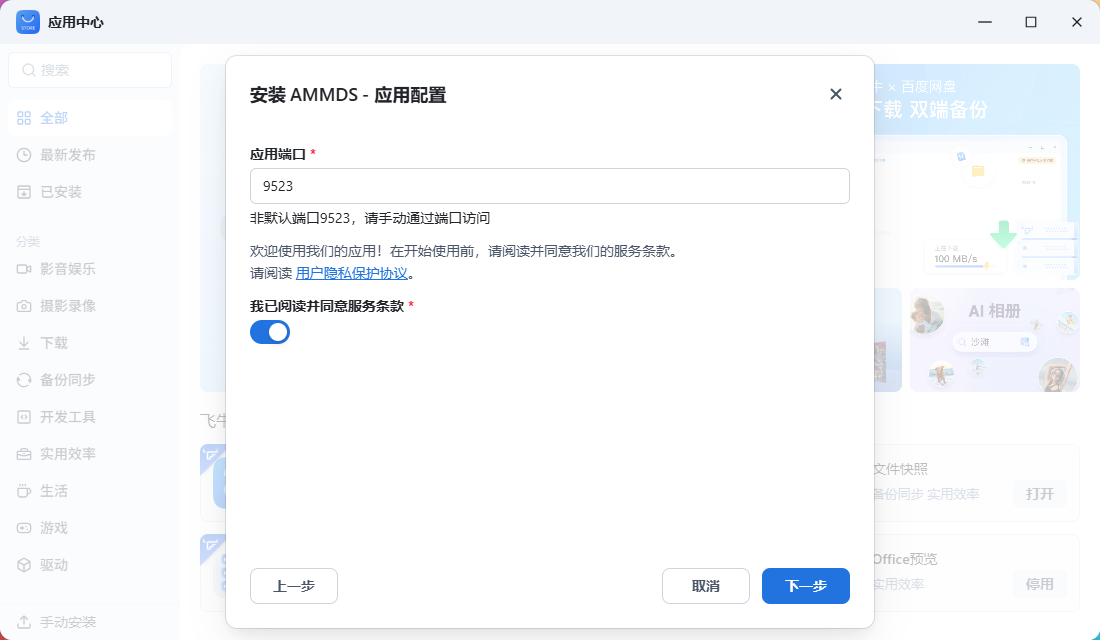
Set Access Port
Set the access port for AMMDS, the default port is 9523. Read the service terms and click Agree.

-
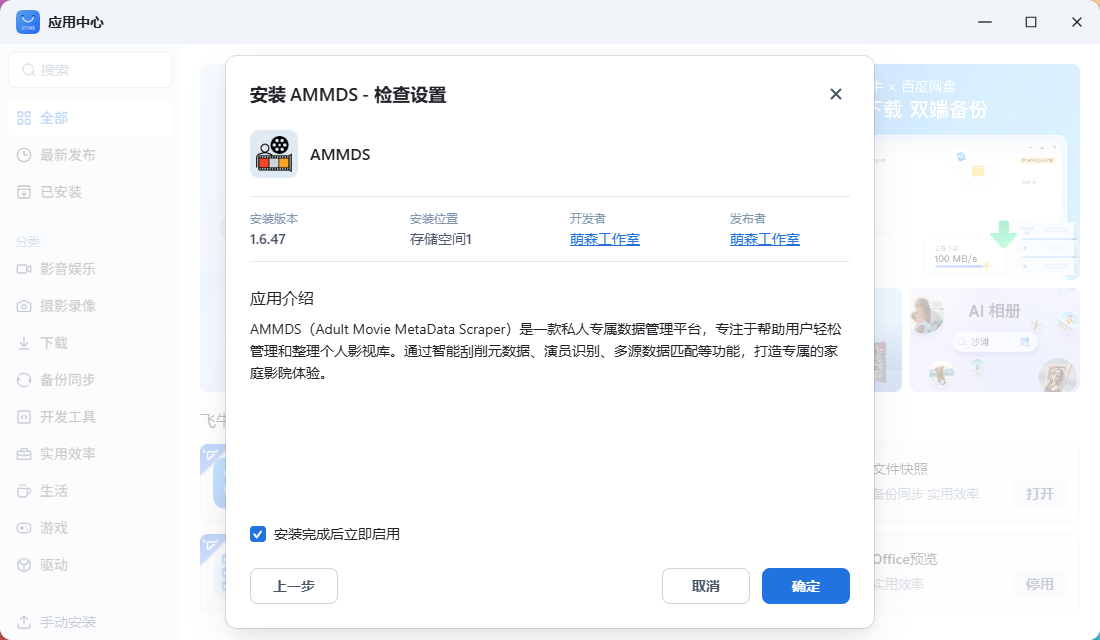
Start Installation
On the final installation prompt interface, click Confirm to start the installation.

-
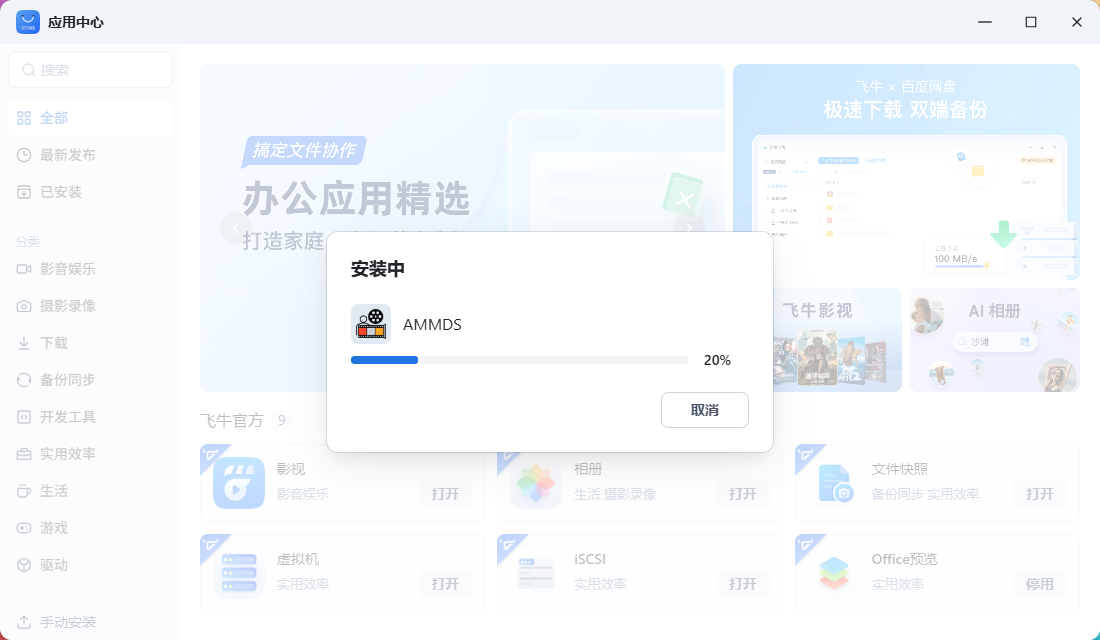
Wait for Installation to Complete
A progress bar will be displayed during the installation process, please wait patiently for the installation to complete. If an error message appears, please follow the prompts to handle it, or try using an older version of the FPK installation package.

-
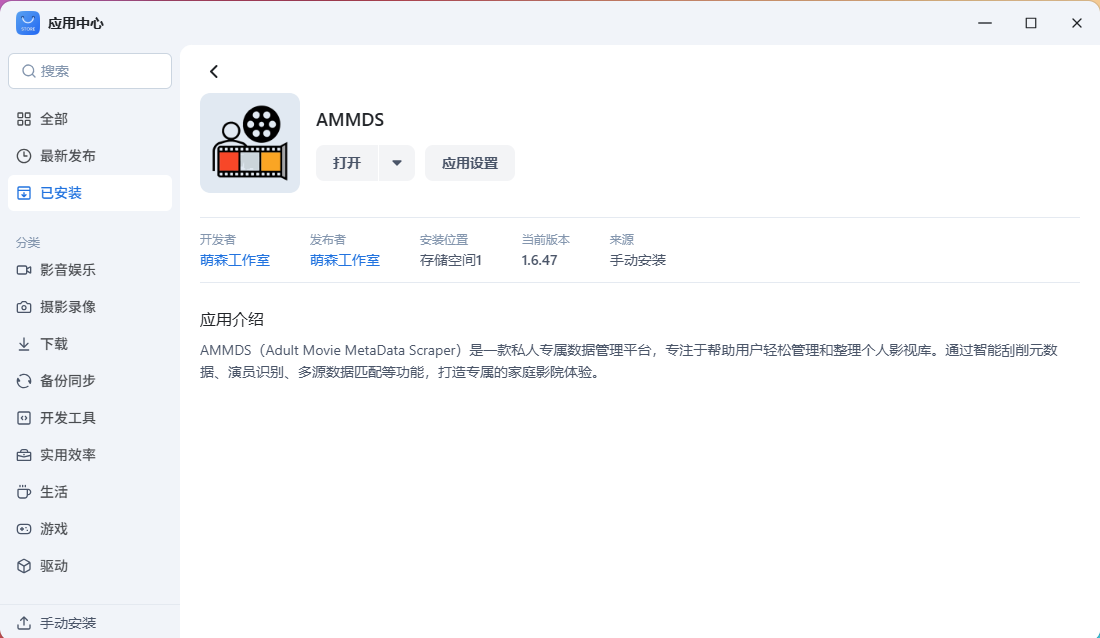
Confirm Installation Success
After installation is complete, you can find the AMMDS app in the installed apps list.
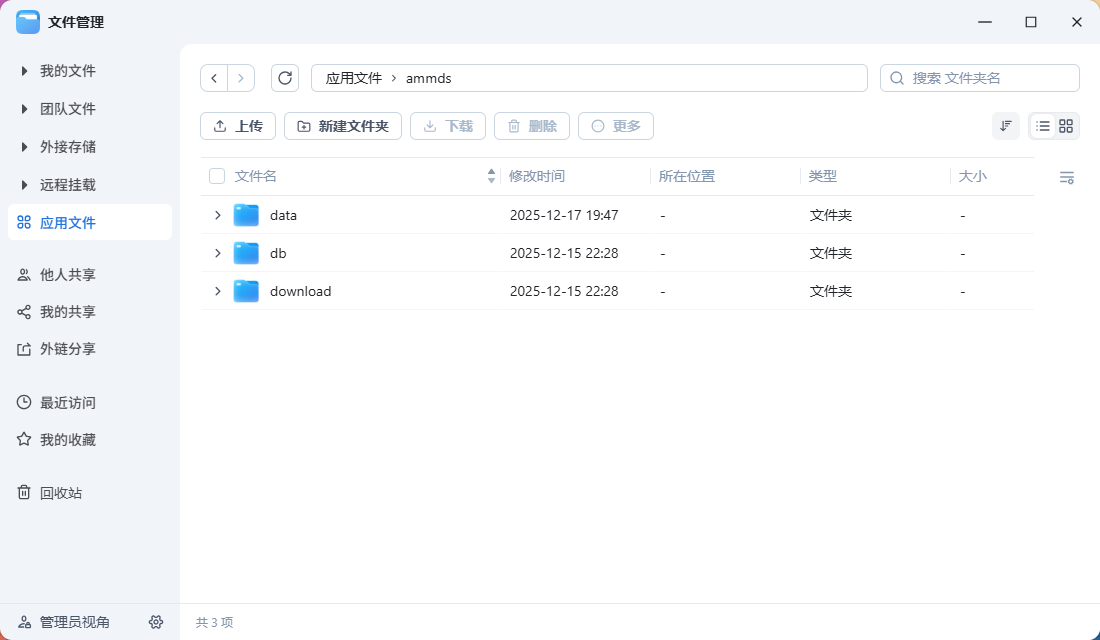
Installation Directory

In File Management, you can find the AMMDS app's installation directory in App Files.
Docker Installation
Image Download

-
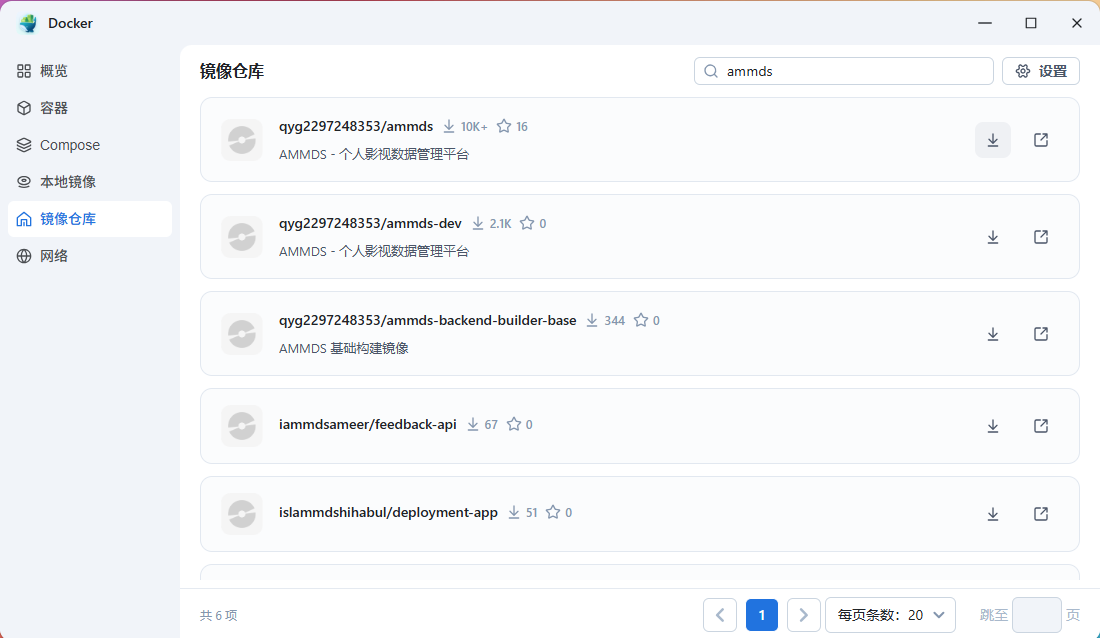
Search for Image
Open the Docker app, complete initialization, click Image Repository in the left menu, and search for the AMMDS image.
-
Select Image
Select the image with the most downloads, the complete image name is
qyg2297248353/ammds.

-
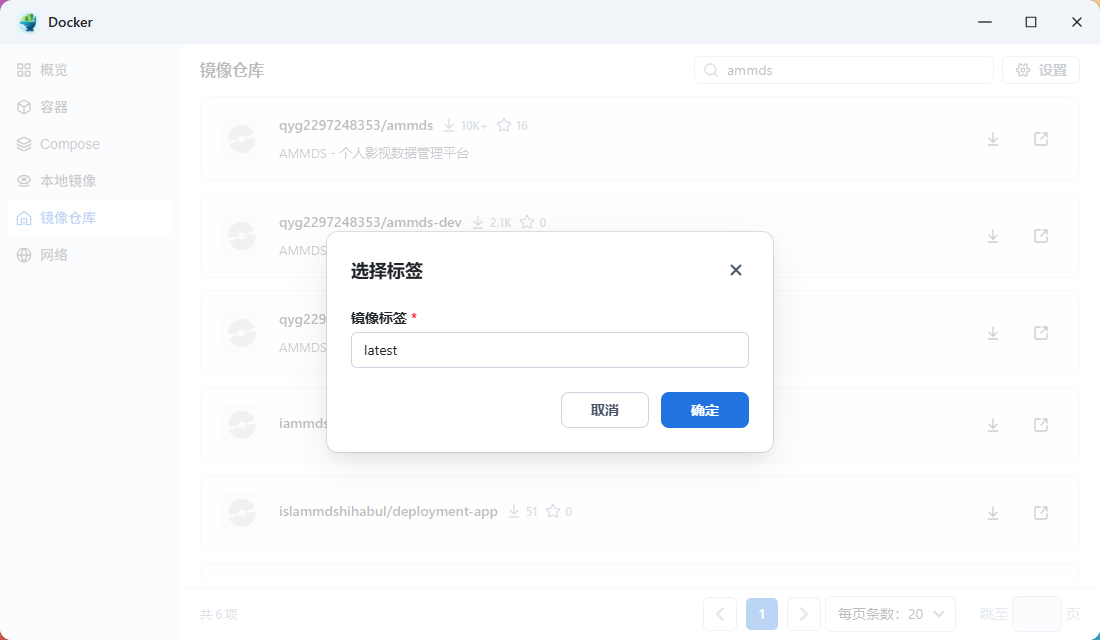
Select Version
The default version is
latest. If your device is an older device, it may not support thelatestversion, and you need to select a version with the tag ending inol8.

-
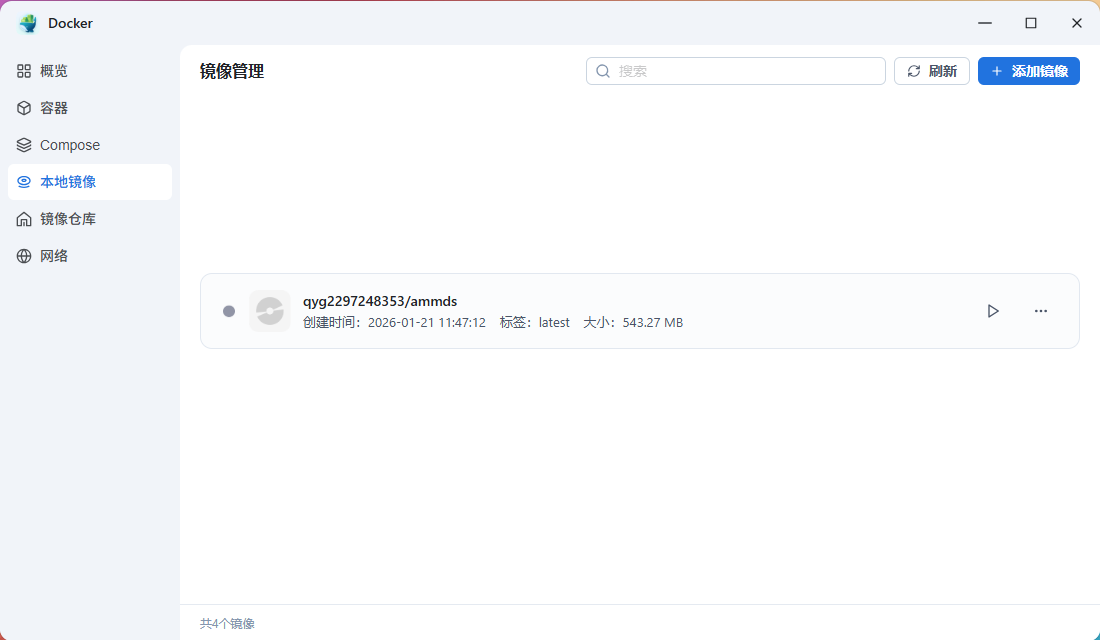
Wait for Download to Complete
You can check the download progress in Local Images, and after the download is complete, you will see the Run button.
Container Creation and Configuration

-
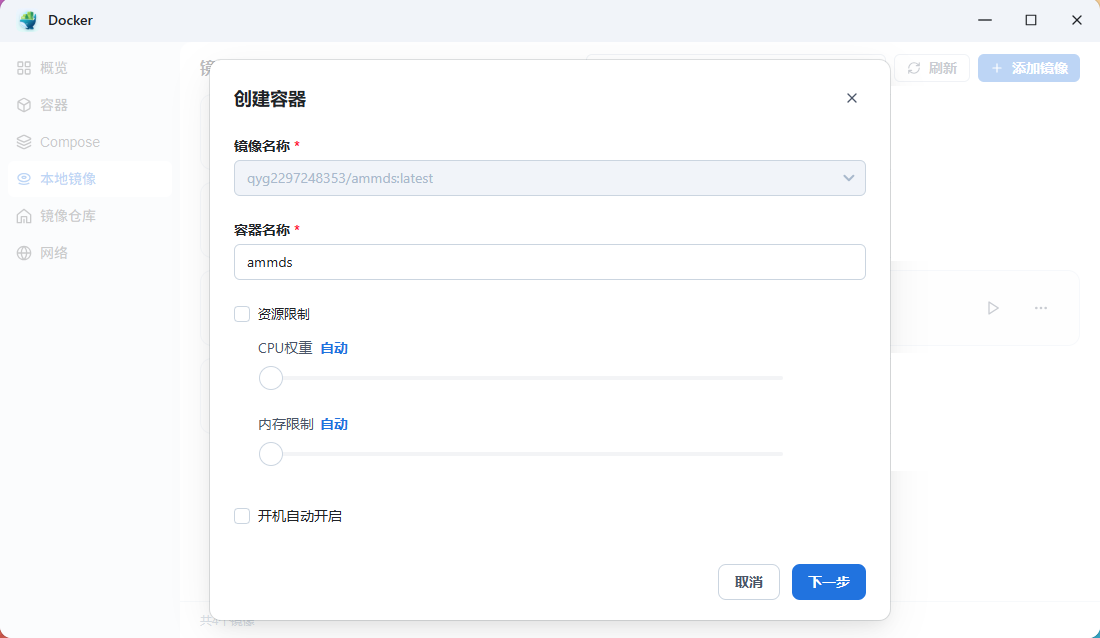
Create Container
Click the Run button to start deployment. Customize the container name, for example,
ammds. Allocate appropriate resources based on device performance and requirements. You can choose to enable the Auto-start on boot feature.

-
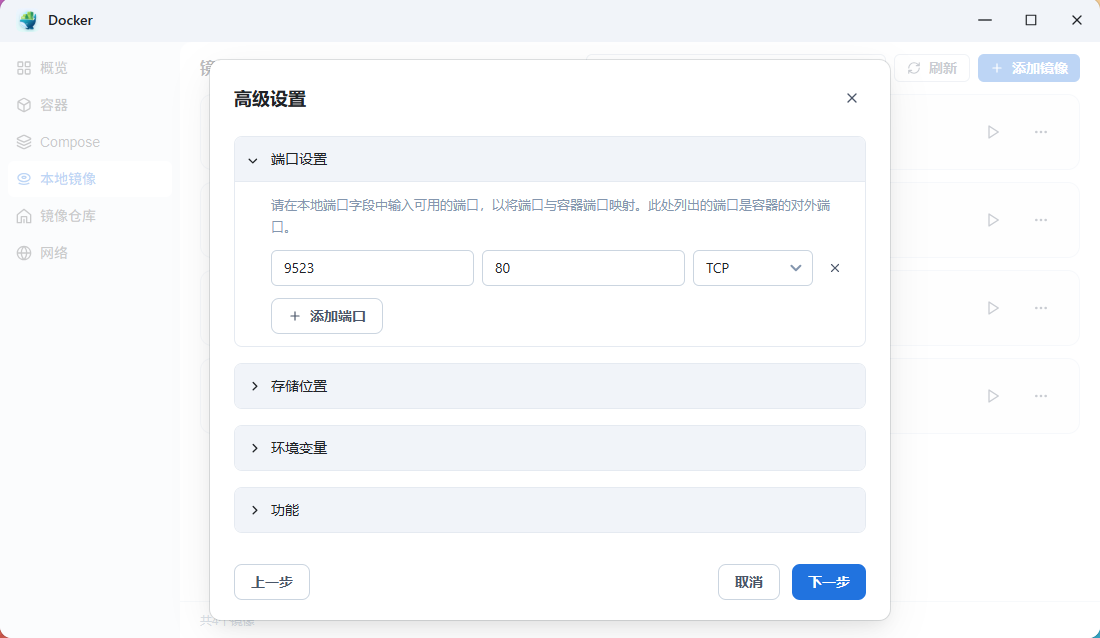
Port Settings
In Advanced Settings, configure port mapping:
- Default container port is 80 (TCP)
- Modify the access port to 9523 (or other available port)

-
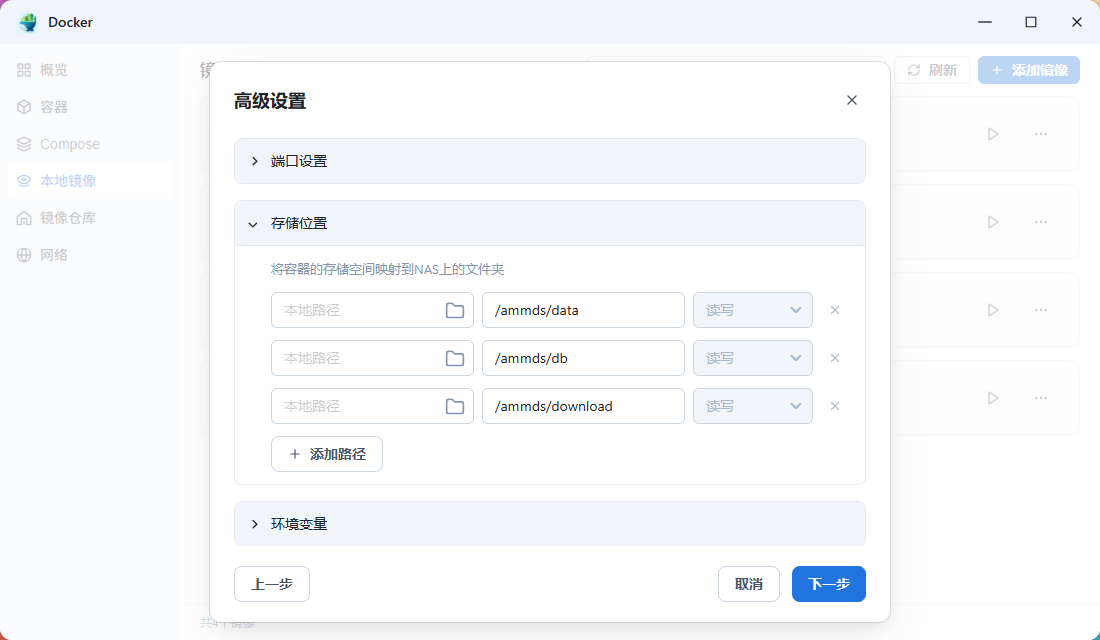
Storage Settings
It is recommended to mount local directories to the container for persistent storage:
- By default, FnOS will create a unified temporary storage directory, but this directory is easily cleaned by the system
- It is recommended that you manually create the corresponding directory and mount it to the container

-
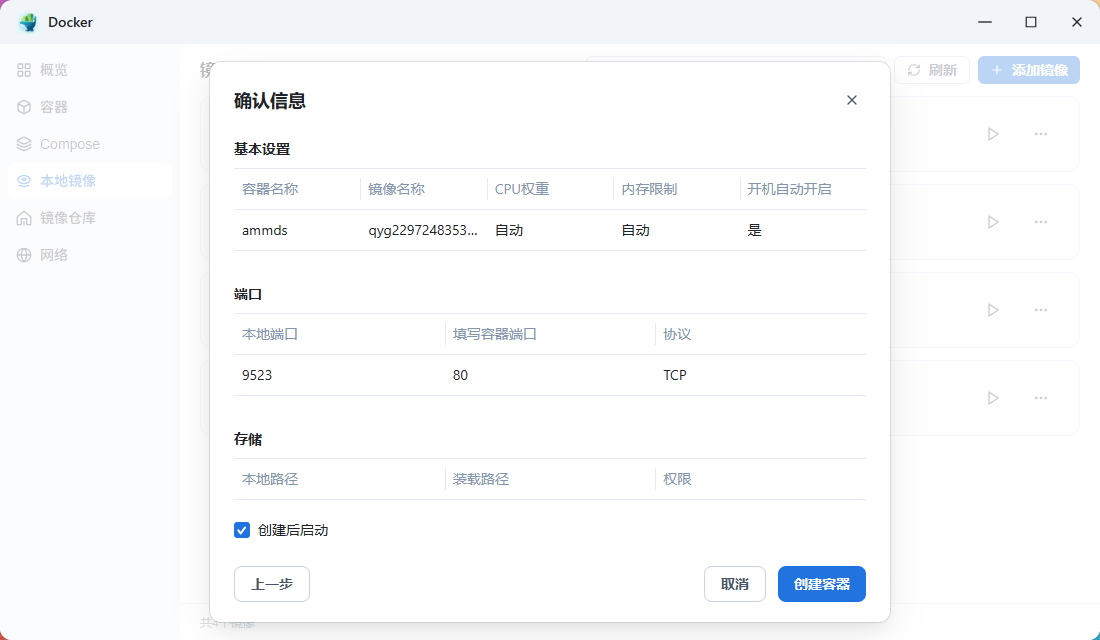
Confirm Configuration
After confirming all configuration information is correct, check the Start after creation option.
Operation and Management

-
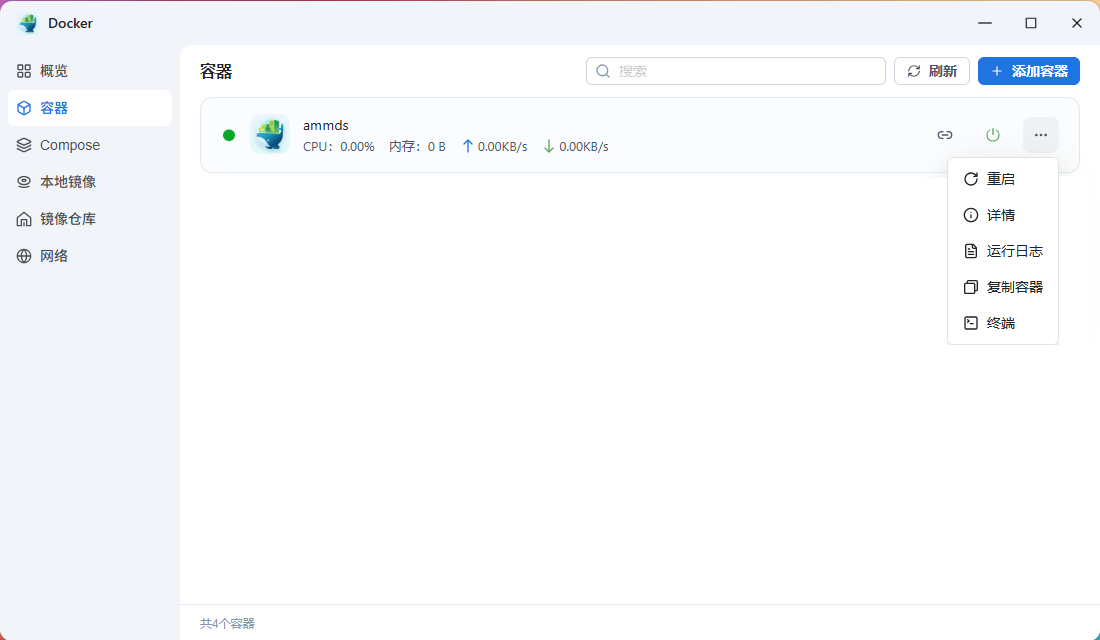
Check Running Status
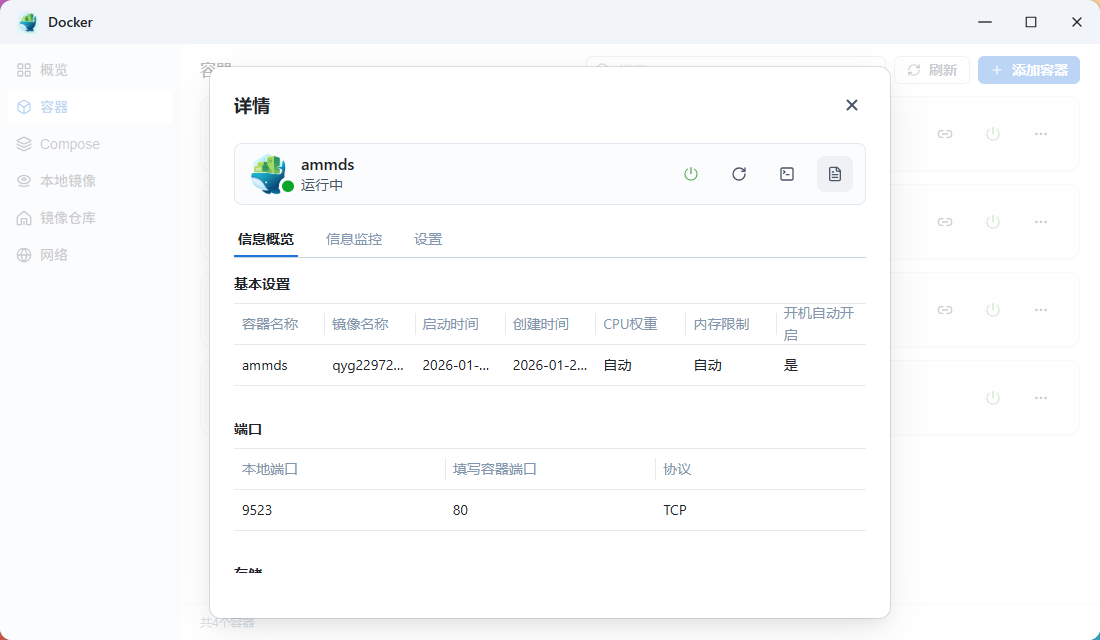
You can see the AMMDS app running in the container list. The three dots on the right provide quick actions.

-
View App Details
Click on the container to enter the details page and view detailed information about the app.

-
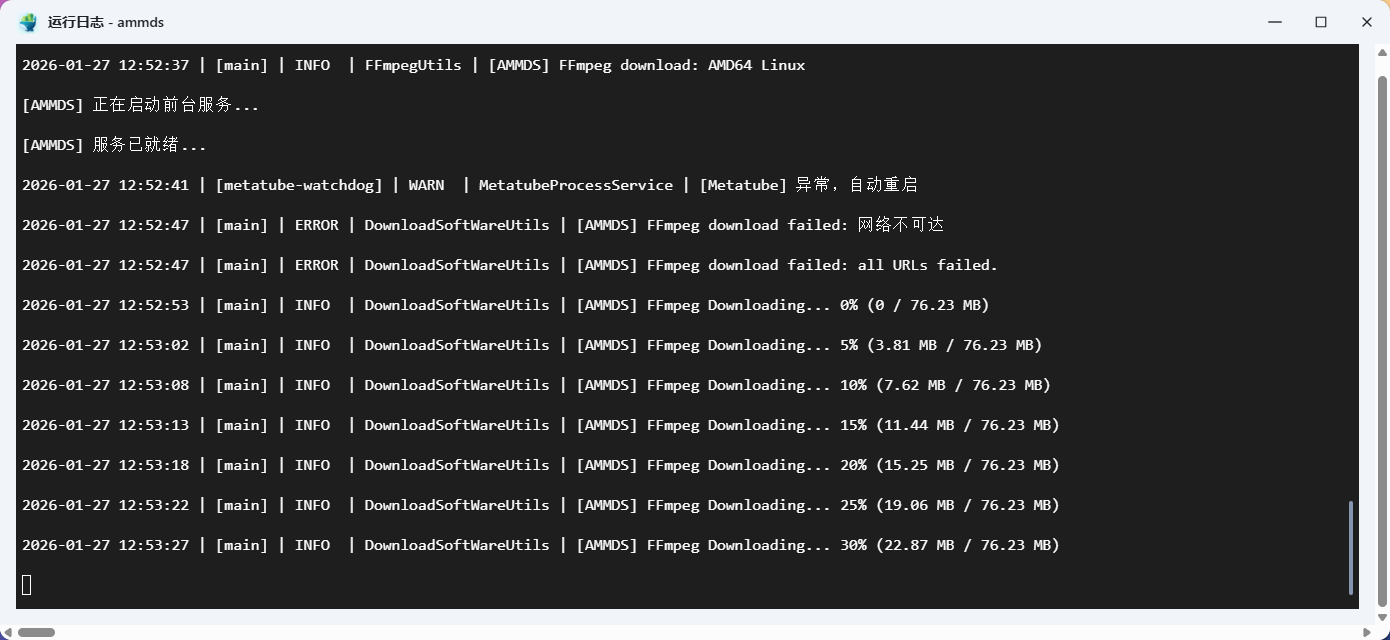
View Running Logs
Click View Logs to check the app's running status and download progress.
First Startup NoteDuring the first installation, the system will automatically download necessary resource files, which takes some time. The download progress will be displayed in the logs.
Installation Complete

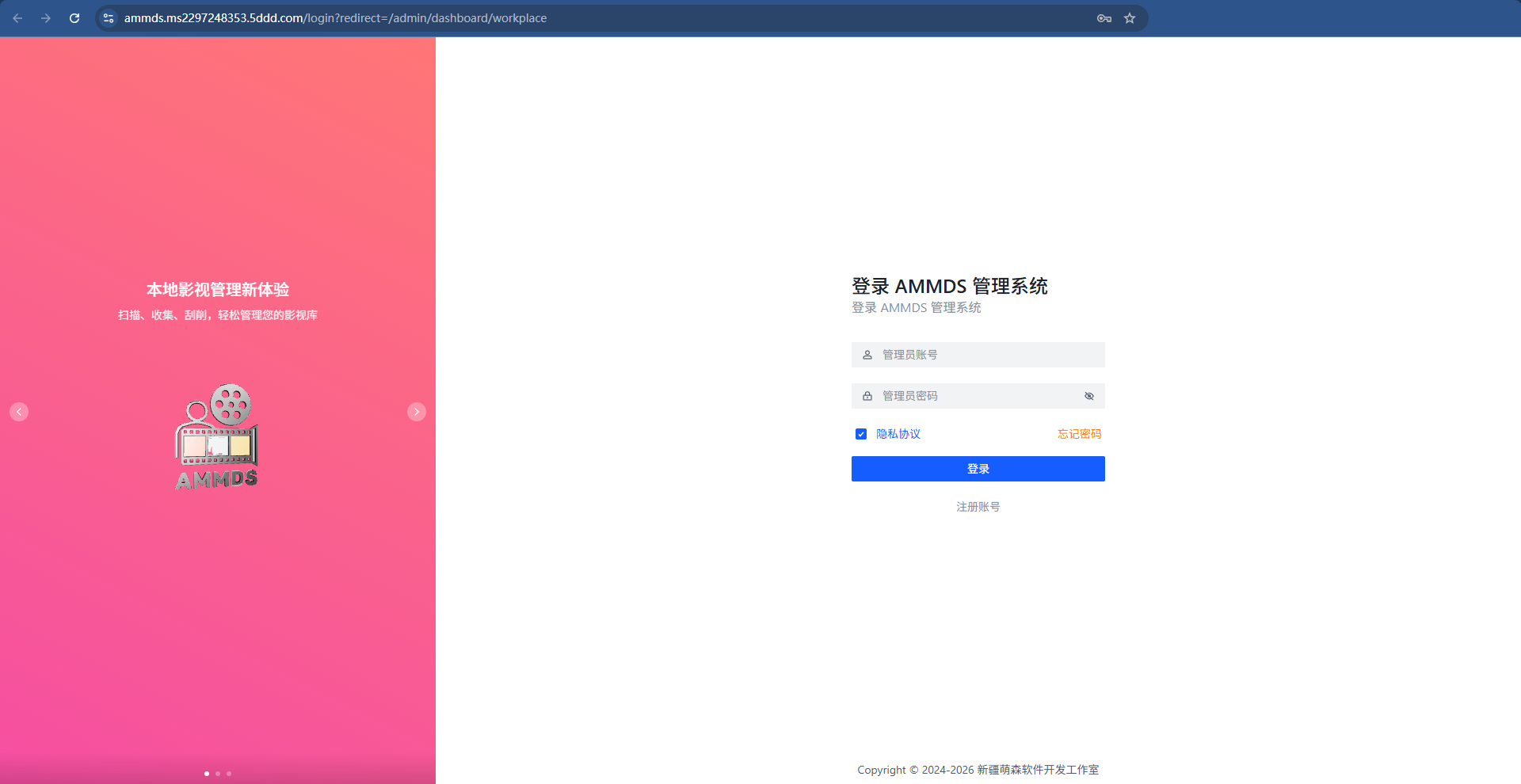
After installation is complete, you can access the AMMDS management interface through a browser and start using all features.
Advanced Attempts

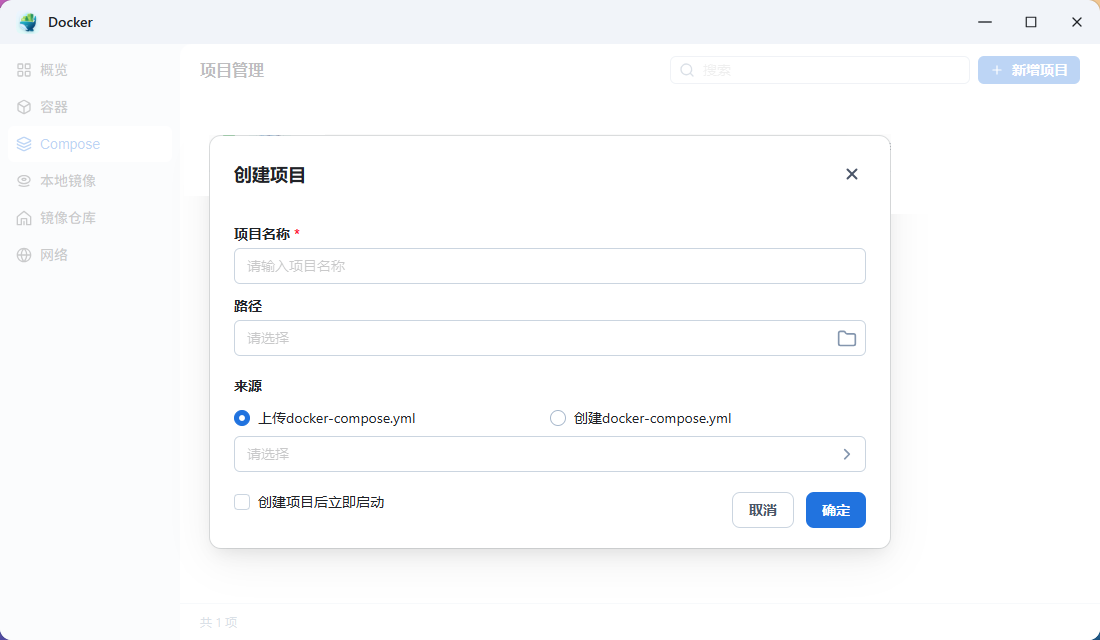
If you are familiar with Docker's orchestration mode, you can choose to deploy AMMDS through a Compose file for a more flexible configuration and management experience.
Warnings and Precautions
Security Warnings
- Official Sources: Only download AMMDS installation packages from the official GitHub Releases page, avoid using third-party download sources
- Password Security: Set strong passwords and change them regularly, avoid using weak passwords
- Port Security: Ensure to modify the default port to reduce the risk of attacks
System Requirements
Minimum Configuration
- Operating System: Latest version of FnOS
- Processor: Intel Core i3 or equivalent performance
- Memory: 4GB RAM
- Disk Space: At least 10GB of available space
- Network: Broadband internet connection
Recommended Configuration
- Operating System: Latest version of FnOS
- Processor: Intel Core i5 or equivalent performance
- Memory: 8GB RAM or more
- Disk Space: 20GB of available space
- Network: Stable broadband internet connection
Usage Precautions
- Data Backup: Regularly back up AMMDS configuration files and important data
- Resource Management: Monitor disk space usage and timely clean up unnecessary resource files
- Network Connection: Ensure stable network connection, especially when downloading resources and updating
- System Maintenance: Regularly update the FnOS system to ensure system stability
Troubleshooting
Common Issues
- Installation Failure: Check if disk space is sufficient and network connection is normal
- Startup Abnormality: View running logs to obtain detailed error information
- Access Failure: Check if port configuration is correct and firewall allows access
- Upgrade Failure: Try uninstalling the old version before installing the new version
Contact Information
If you encounter unsolvable problems, please visit the official GitHub repository to submit an Issue or seek help.
Best Practices
- Regular Updates: Keep AMMDS updated to the latest version to get the latest features and security fixes
- Reasonable Configuration: Configure AMMDS parameters reasonably based on device performance to avoid excessive resource usage
- Secure Usage: Follow official documentation guidelines and avoid modifying core configuration files
- Community Participation: Participate in the AMMDS community to share usage experience and feedback issues